
The online casino market is booming. Slot game development has evolved from a niche industry into a multi-billion dollar business attracting both seasoned developers and newcomers. This guide walks you through the entire process – from initial idea to successful launch.
What is Slot Game Development?
Slot games remain among the world’s most popular gambling formats. Players hit “spin” to watch reels filled with symbols generate random combinations and winning patterns. Bets, jackpots, and bonuses make each round exciting.
Slot game development encompasses concept and design through coding and launch. The process includes art and theme creation, mechanics (difficulty, paylines, RNG integration), and software development across chosen platforms.
RNG ensures unpredictable, fair spins. Game outcomes depend on volatility – more reels and symbols increase risk but boost potential rewards.
A typical slot game includes around 8 to 12 core symbols and multiple animation states. Some projects include one or two bonus features depending on the game design. All elements must work together smoothly to maintain stable performance, usually targeting 60 frames per second.
Why Invest in Slot Game Development
You might be wondering: “Is it worth investing in slot game development” Let’s look at the numbers and facts that speak for themselves.
High Profit Potential
The online gambling market will reach $153 billion by 2030. Slot games generate about 70% of total online casino revenue.
ROI in slot games development can be exceptional. Successful titles typically pay for themselves within 6-12 months. Top games generate millions annually for years.
Profitability depends on execution quality, marketing, and platform choice, but potential remains consistently high.
Growing Market Demand
Demand for slot machine development projects keeps climbing. Online casinos update their libraries constantly – the average casino adds 5-10 new games monthly to retain players and attract new ones.
Online gambling legalization expands geographically, creating demand for localized games with unique themes. Mobile gaming continues growing, with over 60% of players preferring smartphones and tablets.
Creative Freedom
Slot software development offers remarkable creative latitude. Space pirates, steampunk aesthetics, dragons and castles – virtually any concept works if executed well.
Visual styles range from retro 8-bit to photorealistic 3D. Mechanics can include cascading reels, expanding grids, and arcade-style bonus games. The market supports diverse themes and styles.
Multi-Platform Accessibility
Modern slot game software development creates games that work across all platforms. HTML5 and WebGL enable single-development, universal launch:
- iOS and Android devices
- Web browsers
- Social media platforms
- Online casino integrations
- Physical casino machines
This versatility expands audience reach and revenue potential. Platform differences matter – mobile players prefer shorter sessions with quick bonuses, while desktop users appreciate complex mechanics.
Long-Term Returns
Unlike many games that fade quickly, successful slot games generate revenue for years.
Slot machine software development creates evergreen content. Players return to favorites repeatedly. Well-balanced mathematics and engaging mechanics ensure replayability.
Post-release development extends lifespan – new bonus features, seasonal updates, sequels with fresh mechanics. Classic themes like Egyptian or fruit remain popular across decades.
Evolution of Slot Game Development
Slot games evolved from Charles Fey’s 1895 “Liberty Bell” mechanical machine with three reels and five symbols to today’s AI-powered digital experiences.
The ’60s brought electromechanical machines like Money Honey with flashing lights and multiple paylines. In 1976, Fortune Coin became the first video slot, replacing physical reels with screens.
The ’90s internet era launched online casinos and browser-based slots. Flash technology popularized games like Thunderstruck and Cleopatra with advanced animations and bonus rounds.
HTML5 in the 2010s enabled mobile-first design. Today’s slots integrate 3D graphics, VR, AI personalization, and blockchain transparency.
Slot Game Types
Slot development encompasses different game types, each targeting specific audiences. These categories describe slot games from different perspectives, including feature complexity, visual technology, and specific gameplay mechanics. Some types overlap in practice, but this breakdown helps illustrate how production scope and technical requirements can vary between projects.
Classic Slots
Classic slots mirror traditional mechanical machines – typically 3 reels and 1-5 paylines with fruits, sevens, BARs, and bells. Gameplay is straightforward: bet, spin, watch results. No complex features.
This simplicity attracts beginners and experienced players wanting quick gameplay. From a slot machine development perspective, classic slots require smaller budgets and shorter timelines, making them ideal first projects.
Video Slots
Video slots dominate modern gaming. They typically feature 5 reels and 10-100+ paylines (sometimes 243 or 1024 ways to win).
Key features include:
- Wild symbols replace others to create wins – regular, expanding, sticky, or multiplier variants
- Scatter symbols trigger bonuses regardless of paylines
- Free spins with multipliers or special features
- Bonus games – pick-and-win, quizzes, arcade challenges
- Multipliers increase winnings by 2x to 100x
Visually, video slots span cartoonish to photorealistic across all themes imaginable. In slot game software development, video slots balance complexity with profitability effectively.
3D Slots
3D slots use volumetric graphics and enhanced animations for deeper immersion. Development requires Unity, Unreal Engine, or specialized WebGL solutions enabling volumetric characters, complex environments, and cinematic cutscenes.
Many include storylines where players progress through locations and characters. Mechanics feature interactive characters, dynamic environments changing with progress, and cinematic animations for major wins.
Slot machine software development for 3D games demands larger budgets and teams of 3D artists, animators, and technical specialists, but results can differentiate your game significantly.
VR Slots
VR puts players inside the game. Headsets transport you into glowing casino halls where you walk past machines and interact with others.
Development challenges include maintaining 90 FPS to prevent dizziness, redesigning interfaces for spatial interaction, managing session fatigue, and limited headset adoption.
Creative possibilities include hand-pulled virtual levers and gesture-activated bonuses. Currently more experimental than mainstream, VR could shift rapidly as hardware improves.
Megaways Slots
Megaways revolutionized reel mechanics. Each spin changes symbol count per reel – sometimes two, sometimes seven – creating thousands or hundreds of thousands of win possibilities.
Common features include cascading mechanics where symbols explode and new ones drop, climbing multipliers, and free spin gambles. Unpredictability drives addiction.
Developers license the mechanic from Big Time Gaming or build variants. Balancing ever-changing paylines requires extensive testing and simulation.
Progressive Jackpot Slots
Progressive jackpots tap into “what if I win?” psychology. Small bet portions feed one shared pool growing until someone wins – sometimes after days, sometimes months.
Standalone jackpots build within single slots. Local jackpots combine bets across one casino’s games. Wide-area networks across multiple casinos hit headline-making sums.
Backend systems must sync data network-wide, maintain security, and calculate contributions accurately. Prominent jackpot counters showing constantly increasing numbers drive player engagement.
Future of Slot Game Development
Expansion of VR and AR Technologies
VR will become mainstream with accessible headsets like Meta Quest and Apple Vision Pro. AR enables smartphone-based experiences – point your camera and virtual slots appear on tables.
VR slot development typically relies on Unity engine. These projects require careful performance optimization to maintain stable frame rates and comfortable user experiences.
AR can create hybrid experiences combining real environments with virtual elements. Symbols fly from screens, bonus characters appear beside you.
Although VR and AR slots are not yet common in production pipelines, they represent a potential direction for studios looking to experiment with new formats and technologies.
Blockchain and Cryptocurrency Adoption
Blockchain brings transparency impossible with traditional methods:
- Provably Fair – players verify spin results weren’t manipulated through cryptographic hashes
- NFT elements – unique symbols or bonuses as tradable collectibles
- Cryptocurrency payouts – instant transactions without intermediaries
- Smart contracts – automated payouts eliminating delays
Slot game software development on blockchain requires new skills but accesses crypto-enthusiast audiences.
Gamification and Interactive Features
Future slots resemble video games more than traditional machines. Gamification adds RPG and adventure elements:
- Progression systems unlocking features and content
- Achievements rewarding task completion
- Social elements – friend gameplay, tournaments, shared wins
- Personalization – theme customization, music selection
- Multiplayer modes with shared or competitive goals
AI-Driven Personalization
AI analyzes behavior and adapts games real-time:
- Dynamic difficulty maintains engagement through balanced win/loss patterns
- Personalized bonuses match individual preferences
- Churn prediction offers incentives before players leave
- Content generation creates unique symbols, themes, even entire games
Balance remains crucial – AI should enhance satisfaction, not manipulate.
Process of Slot Game Development
Concept Creation and Market Research
Every project starts with an idea backed by research:
- Competitor analysis – identifying popular games, themes, and mechanics
- Target audience – casual players, experienced gamblers, or social players
- Unique selling proposition – standout theme, mechanic, graphics, or story
- Financial modeling – cost projections, revenue estimates, break-even analysis
Well-researched concepts dramatically increase success chances. Many projects fail by skipping this stage.
Game Design Documentation
Detailed documentation creates your game’s blueprint. GDD (Game Design Document) includes:
- Theme and visual style descriptions
- Game mechanics and features
- User interface mockups
- Audio design specifications
- Technical requirements and platform support
Quality GDD prevents confusion and reduces corrections during development.
Slot Mathematics Design
Slot mathematics is a separate stage in slot production that defines how the game pays, how often players win, and how risky the gameplay feels.
At this stage, specialists configure the core parameters that directly affect player experience and long-term revenue performance.
Typical tasks include:
• Setting RTP values based on market or operator requirements
• Defining volatility levels that control win frequency and payout size
• Building symbol distribution and balancing paytables
• Calculating probabilities for bonus features and special mechanics
• Running long-term simulations to verify expected behavior and payout balance
Well-designed slot mathematics helps prevent costly rework later in development and ensures the game meets compliance and performance expectations. Many studios treat mathematics as a standalone service because even small parameter changes can significantly affect retention and monetization.
Creating a Prototype
Prototypes demonstrate core mechanics before full investment. Basic versions test whether gameplay engages, mathematics work correctly, and features captivate.
Prototypes enable testing mechanic variations, gathering focus group feedback, identifying problems early, and demonstrating concepts to investors or operators.
Good prototypes take 2-4 weeks and can save months and thousands of dollars.
Frontend and Backend Development
Frontend game developers create player-facing elements:
- Graphics implementation
- User interface
- Animations and transitions
- Sound integration
- Input handling
- Visual effects
- Unique and recognizable UI patterns that support usability and brand consistency
Backend game developers build game logic:
- Integration with certified Random Number Generator (RNG) systems
- Implementation of mathematical models provided by mathematics specialists
- Game state management
- Progress saving/loading
- Security and anti-fraud protection
- Server-side integrations where required by platform architecture
Modern slot game software development typically uses HTML5/JavaScript frontend and Node.js, Python, or Java backend depending on platform requirements.
Average video slots take 3-6 months. 3D slots or complex mechanics need up to 8 months.
Testing and Quality Assurance
Thorough testing is critical:
- Functional testing – verifying features, buttons, animations, sounds
- Mathematical verification – confirming actual RTP matches theoretical calculations
- Cross-platform testing – checking diverse devices, operating systems, browsers
- Performance testing – ensuring smooth operation on weaker devices
- Security testing – identifying vulnerabilities and protecting data
- Compliance testing – meeting regulatory requirements in target jurisdictions
Professional QA teams find hundreds of bugs requiring fixes before release.
Certification and Licensing
Legal launch requires certification from authorized laboratories testing fairness and standards compliance.
Major certification laboratories:
- GLI (Gaming Laboratories International) – certifies games worldwide
- eCOGRA – specializes in online gaming
- iTech Labs – popular in Asia-Pacific
- BMM Testlabs – online and land-based casinos
Certification takes 4-8 weeks and costs $5,000-$20,000 depending on complexity. Jurisdictional licenses may also be required.
Launch and Post-Release Support
- Soft launch tests games in limited markets to gather data and fix issues.
- Marketing creates promotional materials, demos, and trailers while working with operators.
- Updates optimize based on collected data – new features, balance adjustments, bug fixes.
- Technical support responds quickly to problems. Downtime during tournaments or bonus rounds damages reputation.
Successful slot machine development requires ongoing support. Top developers continue optimizing games for years.
How Full-Cycle Slot Development Works in Practice
Understanding the development stages is important, but seeing how the process works in real production environments makes it clearer.
In this video, Natalia Makarova, CEO & Co-founder at Twin Win Games, explains how the Product-as-a-Service (PaaS) model works in slot game development and why many studios use this approach to reduce risk and speed up delivery.
You will learn:
- What Product-as-a-Service means in iGaming
- How full-cycle production is structured from concept to launch
- When PaaS becomes the fastest route to market
- What types of companies benefit most from this model
- How structured pipelines help deliver games on schedule
Watch the full interview below:
Tools and Technologies Used in Slot Game Development
Modern slot software development relies on various tools:
Game Engines:
- Custom slot game engine, used by studios to standardize workflows, reuse components, and accelerate production across multiple titles
- Cocos2d-x – open-source, lightweight, mobile-optimized
- Phaser – JavaScript framework for HTML5 games
- Unity – cross-platform support, large community, 2D and 3D capabilities
Graphics and Animation:
- Adobe Photoshop and Illustrator
- Spine – specialized 2D skeletal animation
- Blender or Maya – 3D modeling
- After Effects – complex effects and cinematics
- AI-assisted art tools, used to accelerate concept generation, variations, and early visual exploration
Strong visual identity directly impacts player retention and game recognition. See how professional pipelines work in our slot game art production services, including UI, symbols, animations, and full visual packages.
Audio:
- FMOD or Wwise – adaptive audio engines
- Audacity, FL Studio, Ableton Live
Mathematics and Testing:
- Excel/Google Sheets – modeling and probability calculations
- Python/R scripts – simulation and statistical analysis
- Automated testing tools
Backend and Integration:
- Node.js, Python, Java – server-side logic
- PostgreSQL, MongoDB – data storage
- Redis – caching and fast access
- RESTful APIs or WebSocket – game-platform communication
Tool choice depends on requirements, team experience, and target platforms.
How Much Does It Cost to Develop a Slot Game
Slot machine game development cost varies significantly on game complexity, visual style, number of features, and production scope. Below are typical industry ranges based on modern development pipelines.
Basic Slot Games: $35,000–$50,000
Best suited for market testing or quickly expanding a game portfolio.
Typical characteristics:
- Standard mechanics with limited bonus features
- 2D graphics and simple animations
- Compact symbol sets and straightforward gameplay
- Faster production timelines
- Suitable for early-stage testing or niche markets
Mid-Range Slot Games: $50,000–$70,000
This category represents the most common segment in modern casino libraries.
Typical characteristics:
- More sophisticated bonus rounds
- Polished animations and improved UI
- Optional 3D elements
- Distinct gameplay mechanics
- Balanced development time and production cost
Premium Slot Games: $70,000–$150,000+
Designed for flagship releases and competitive markets.
Typical characteristics:
- Complex animation systems
- Multiple bonus features and layered mechanics
- High-end visual production
- Branded themes (when licensing intellectual property)
- Support for multiple jurisdictions and compliance workflows
Reskin Services: $30,000–$70,000
Reskinning allows developers to reuse proven mechanics while introducing a completely new visual theme.
Typical characteristics:
- New visual identity applied to an existing game
- Faster production cycle
- Lower risk compared to building from scratch
- Ideal for expanding portfolios efficiently
- Useful for targeting new player segments
Marketing Materials Package: $1,000–$3,000
Professional promotional materials are essential for successful game launches.
Typical deliverables:
- Game trailers and promotional videos
- Screenshots and store visuals
- Social media content
- Platform-ready marketing assets
Additional Costs to Consider
Beyond development, several external factors influence total project budgets.
These may include:
- RNG certification (varies by jurisdiction and testing laboratory)
- Server hosting and infrastructure
- Ongoing maintenance and updates
- Player acquisition and marketing campaigns
Costs vary significantly depending on market targets and regulatory requirements, so early planning is essential.
Common Challenges in Slot Game Development
Mathematical Balance. Finding optimal RTP balance is tricky. Too high – operators lose money. Too low – players leave. Each feature affects mathematics. Solution: Work with professional game mathematicians, simulate millions of spins, test different RTP versions.
Cross-Platform Compatibility. Games must run smoothly across countless devices and browsers with varying specifications and inputs. Solution: Use HTML5, test across devices, optimize for low-end hardware, ensure fallback options.
Regulatory Compliance. Rules differ across jurisdictions regarding RNG, data protection, and responsible gaming tools. Solution: Research legal requirements early, consult gambling law experts, certify via accredited labs.
Player Retention. Thousands of slots compete for attention. Players quit when gameplay feels repetitive or predictable. Solution: Diversify gameplay with bonuses, progression systems, and volatility options. Keep content fresh and responsive to feedback.
Technical Performance. Complex graphics and animations strain devices, especially older ones. Solution: Optimize code and assets, use LOD and object pooling, test on low-spec devices, offer adjustable graphics settings.
Security and Fairness. Real-money slots require robust security and player trust. Solution: Use certified RNGs, server-side validation, regular security audits, protection from common attacks.
Time and Budget Overruns. Teams often underestimate complexity, causing delays and overspending. Solution: Plan with 20-30% buffer, apply agile practices, review progress regularly, trim non-essential features when needed.
Typical Timeline for Slot Game Development
Slot development timelines depend on game complexity, number of features, and production scope. However, most projects follow a structured pipeline with predictable stages.
Typical production timeline:
Concept & Game Design 2–4 weeks
Market research, theme definition, gameplay structure, and preparation of the Game Design Document (GDD).
Game Mathematics 2–3 weeks
RTP modeling, volatility setup, paytable calculations, and early balance simulations.
Art Production & Animation 4–8 weeks
Creation of symbol sets, UI elements, backgrounds, and animation systems that define the visual identity of the game.
Frontend & Backend Development 6–12 weeks
Implementation of gameplay logic, animations, integrations, and platform compatibility.
Testing & QA 3–4 weeks
Functional testing, math validation, cross-device testing, and performance optimization.
Real Production Example
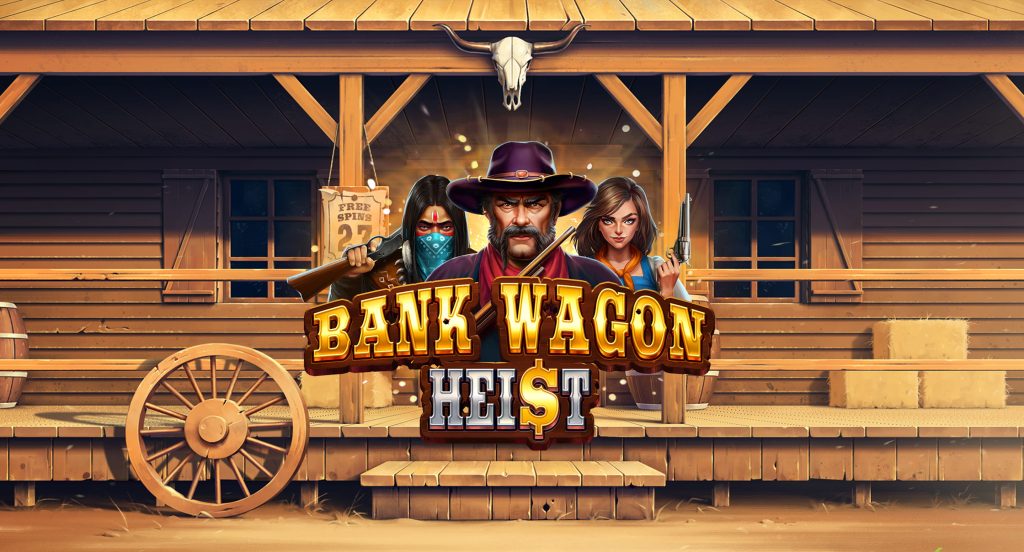
A practical example of this pipeline in action is the Bank Wagon Heist slot project.
The game was developed as a full-cycle production – covering concept, mathematics, art, frontend and backend development, QA, and integration, and was successfully delivered within approximately 6 months, aligning with standard production timelines for mid-complexity slot games.
This included implementation of multiple gameplay features, animation systems, and optimization cycles required for production-ready release.
Total Production Time
Most slot projects fall into the following ranges:
Standard slot games:
3–6 months
Complex or feature-heavy games:
6–12 months
Timelines may vary depending on game complexity, visual scope, number of features, and target markets.
Modern Trends Shaping Slot Game Development
The slot industry evolves rapidly, with new technologies and production strategies emerging every year. Many of the most practical insights come directly from industry events and real conversations with operators and platform providers.
For example, after attending ICE Barcelona 2026, our team documented key production and business trends shaping the market. From cross-platform strategies to faster delivery pipelines. You can explore these insights in detail in our article ICE Barcelona 2026: iGaming Game Development Trends.
After Megaways success, studios experiment with mechanics like Infinity Reels, Cluster Pays, and Payways. Buy Bonus options let players instantly trigger bonus rounds, though availability varies by market.
Branded slots based on movies, music, and TV series deliver strong performance. Licensing costs are high but justified by instant recognition and existing fanbases.
Crypto and blockchain integration brings transparent transactions, NFT elements, and smart contracts. Social features like tournaments, leaderboards, and friend challenges transform solitary gameplay into community experiences.
Responsible gaming tools – loss limits, reality checks, self-exclusion – are now standard to meet regulations and support sustainable gaming.
Mobile-first design dominates with touch-optimized interfaces, vertical layouts, and smaller screens. Streamer culture on Twitch and YouTube influences design – developers create visually striking games with exciting bonuses that perform well in live streams.
How Twin Win Games Can Help You Build a Winning Slot Game
Building a successful slot game requires coordination across design, mathematics, engineering, and production. At Twin Win Games, all slot development stages are handled by a fully in-house team, ensuring stable workflows and predictable delivery timelines.
Full-Cycle In-House Development
We manage the entire production process within one integrated structure, from concept and mathematics to development and launch preparation.
This approach ensures:
- Transparent workflows and clear communication
- Stable production timelines
- Consistent quality across all stages
- Reduced risks from external dependencies
Proprietary Game Engine Technology
Our modular casino game engine enables faster production cycles and efficient adaptation across platforms and markets.
Key advantages include:
- Accelerated development timelines
- Flexible deployment across multiple platforms
- Scalable architecture ready for long-term growth
- Simplified localization and content updates
Mathematics-Driven Game Design
Every successful slot starts with strong mathematics. Our team develops RTP models, volatility structures, and gameplay logic aligned with certification requirements.
This helps ensure:
- Balanced gameplay performance
- Predictable player engagement
- Compliance readiness
- Long-term game stability
Art and Animation Production
Our in-house artists create visual systems designed for performance, readability, and strong player engagement.
Typical deliverables include:
- Symbol sets and animation systems
- Character and environment design
- UI and visual effects
- Bonus and win animation sequences
Long-Term Partnership Approach
Many of our clients return for multiple projects because consistent delivery builds trust over time.
We focus on:
- Realistic planning
- Clear communication
- Fast problem-solving
- Ongoing post-launch support
- Building reusable pipelines that improve efficiency across future projects
Stable communication and predictable delivery cycles help reduce production risks and simplify coordination between distributed teams. For European-based clients, aligned working hours and compatible communication styles often make collaboration smoother and more efficient.
This long-term mindset helps studios scale their content production with confidence.
To Sum Up
If you’ve read this far, you’re clearly serious about slot game development – and that’s already a good sign. We hope this guide helps you navigate the process with more clarity. Whether you decide to build your game in-house or with a trusted partner, the key is to make sure every element works efficiently and securely.
Good luck – and may your next spin be a winning one.
FAQ
How long does it take to develop a slot game?
Depending on complexity, slot game development takes 3-9 months. Simple reskins are faster; full-featured games with custom mechanics and math models need more time for design, coding, and certification.
What makes a slot game engaging for players?
Strong visuals, mathematics, and sound. Players stay when RTP feels fair, bonuses excite, and art and animation create distinctive moods. Consistent pacing and smooth UX drive returns.
How much does slot game development cost in 2026?
Costs range from $35,000 for simple titles to over $200,000 for premium games with custom math, 3D animation, and integrations. Platform, graphics, and features define final budgets.